
Project Team Leads
About CSTS
The Center for the Study of Traumatic Stress (CSTS) is one of the nation’s oldest and most highly regarded, academic-based organizations dedicated to advancing trauma-informed knowledge, leadership and methodologies. The Center’s work addresses a wide scope of trauma exposure from the consequences of combat, operations other than war, terrorism, natural and humanmade disasters, and public health threats. CSTS is a part of our nation’s federal medical school, Uniformed Services University (USU), and its Department of Psychiatry. These affiliations represent the Center’s history, mission and future directions as a major contributor to our country’s understanding of the impact of trauma and the advancement of trauma-informed care.
Meet the CSTS Team
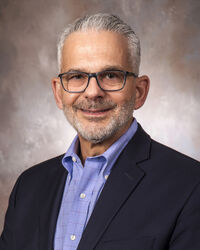 Stephen J. Cozza, MD
COL, USA (Ret.)
Director, Center for the Study of Traumatic Stress
Professor, Departments of Psychiatry and Pediatrics
Uniformed Services University
Stephen J. Cozza, MD is Professor of Psychiatry and Pediatrics at the Uniformed Services University where he serves as Director, Center for the Study of Traumatic Stress (CSTS) and is responsible for the Child and Family Program. He is a graduate of the United States Military Academy at West Point, New York. He received his medical degree from the George Washington University School of Medicine and Health Sciences. He completed his residency in General Psychiatry and fellowship in Child and Adolescent Psychiatry at Walter Reed Army Medical Center in Washington, DC. Dr. Cozza is a diplomate of the American Board of Psychiatry and Neurology in the specialties of General Psychiatry and Child and Adolescent Psychiatry. He has served in a variety of positions of responsibility in the Department of Psychiatry at Walter Reed Army Medical Center to include Chief, Child and Adolescent Psychiatry Service, Program Director of the Child and Adolescent Psychiatry Fellowship Program and Chief, Department of Psychiatry. He retired from the U.S. Army in 2006 after 25 years of military service. Dr. Cozza’s professional interests have been in the areas of clinical and community response to trauma in both military and civilian communities, including the impact of deployment and combat injury, illness and death on military service members, their families and their children. Dr. Cozza has highlighted the impact of deployment, injury, illness and death on the children and families of military service members. He has also examined the risk for prolonged grief disorder, a unique grief-related clinical condition, in families affected by sudden and violent deaths, including those bereaved due to combat, suicide, homicide, accident, and terrorism. He is published in the scientific literature and has presented on these topics at multiple national and international scientific meetings. Dr. Cozza serves as a scientific advisor to several national organizations that focus on the needs of military children and families.
About REACH
The Reach Institute at Arizona State University (ASU) works with communities to develop, evaluate, and scale evidence-based programs and resources to promote well-being for individuals, families, and communities. Researchers at the ASU REACH Institute have developed several evidence-based programs that focus on improving the lives of children and families.
Research Behind ADAPT
The ADAPT research team, led by Dr. Abigail Gewirtz, has tested the effectiveness of the program with more than one thousand military families, including National Guard and Reserve families. The team has published a significant body of work on the topic and continues to investigate how the program can improve the lives of military families.
Meet the REACH Team
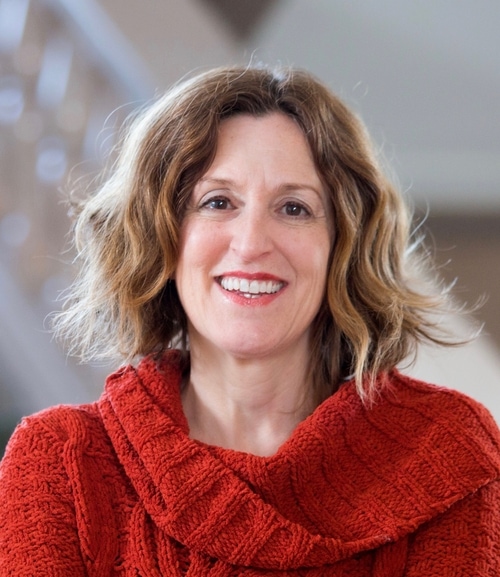 Dr. Abigail Gewirtz
Director of REACH and Professor, Psychology
Arizona State University
Dr. Abigail Gewirtz is a Foundation Professor in the Department of Psychology. She is the Director of the Reach Institute and Center for Resilient Families. Her research examines preventive interventions to strengthen families affected by traumatic stressors. With her research team, she develops, tests and examines the widespread implementation of parenting interventions for diverse families including military families exposed to parental deployment to war, and those affected by forced migration due to war or sociopolitical violence, among others.